

How We Handle Your Mulching Service
When you choose us for your mulching service, we ensure a comprehensive and professional approach
- We prepare the garden beds, removing any weeds, debris, or old mulch
- We select the best type of mulch for your garden’s needs, considering the climate and plant types
- Our team expertly applies the mulch evenly to provide proper coverage and ensure optimal moisture retention
- We ensure that the mulch layer is the correct thickness to protect your plants while allowing for proper air circulation
- After installation, we provide care instructions to ensure the mulch continues to serve its purpose effectively
How Much Does Mulching Cost?
The cost of mulching varies depending on factors like the size of your garden, the type of mulch selected, and any additional services. Contact us for a free consultation and an accurate, personalized quote based on your specific needs.
Why Choose Us
- Our team has years of experience with mulching and landscape care, ensuring high-quality results
- We tailor our services to your garden’s specific needs, selecting the best mulch and application methods
- We use only the best, eco-friendly mulch materials to ensure your garden remains healthy and vibrant
- Our professional team works efficiently, minimizing disruption to your property while delivering excellent results
- We are committed to customer satisfaction and will make sure you are happy with the results
Get in touch today for a free quote on professional mulching services and keep your garden thriving with a clean, healthy layer of mulch.
Tree Mulching Services in Chatham-Kent & Tilbury
Your trees are a long-term investment. We protect them from the ground up with better moisture, healthier roots, and trees that last. Request your quote today.
Eco-Friendly Tree Mulching in Chatham-Kent & Tilbury
The tree mulch we apply is primarily wood chip material – a natural, sustainable product that breaks down over time and contributes to the organic matter content of your soil. Unlike synthetic alternatives, wood chip mulch improves soil biology as it decomposes, feeding the beneficial microorganisms and mycorrhizal networks that healthy tree roots depend on.
In Chatham-Kent and Tilbury, where soil conditions range from heavier clay near Tilbury to sandier ground closer to Lake Erie, the right mulching approach makes a measurable difference. Our arborists select material and application depth based on your specific soil and drainage conditions, not a one-size answer.
Benefits Of Tree Mulching in Chatham-Kent & Tilbury
A proper tree mulch ring, 2 to 3 inches deep and kept clear of the trunk, means stronger growth, better drought tolerance, and less maintenance over time.
- Moisture retention: Mulch reduces soil moisture loss by up to 25% during Chatham-Kent's dry summers, cutting down how often your trees need supplemental watering.
- Temperature moderation: It insulates the root zone from the freeze-thaw cycles that damage shallow feeder roots through Southern Ontario winters.
- Weed suppression: A proper mulch layer blocks weed germination in the root zone, reducing competition for nutrients and water and preventing unnecessary stress on urban trees.
- Soil improvement: As wood chip mulch breaks down, it builds organic matter and feeds the soil biology that healthy roots depend on to thrive.
- Mower exclusion: A maintained mulch ring keeps lawn mowers and string trimmers away from the trunk, the leading cause of mechanical trunk damage in residential trees.
- Reduced compaction: Mulch buffers foot traffic and equipment pressure over the root zone, preventing soil compaction, one of the primary drivers of urban tree decline.
Ready to give your trees the protection they need? Request a free quote, and we will take care of the rest.
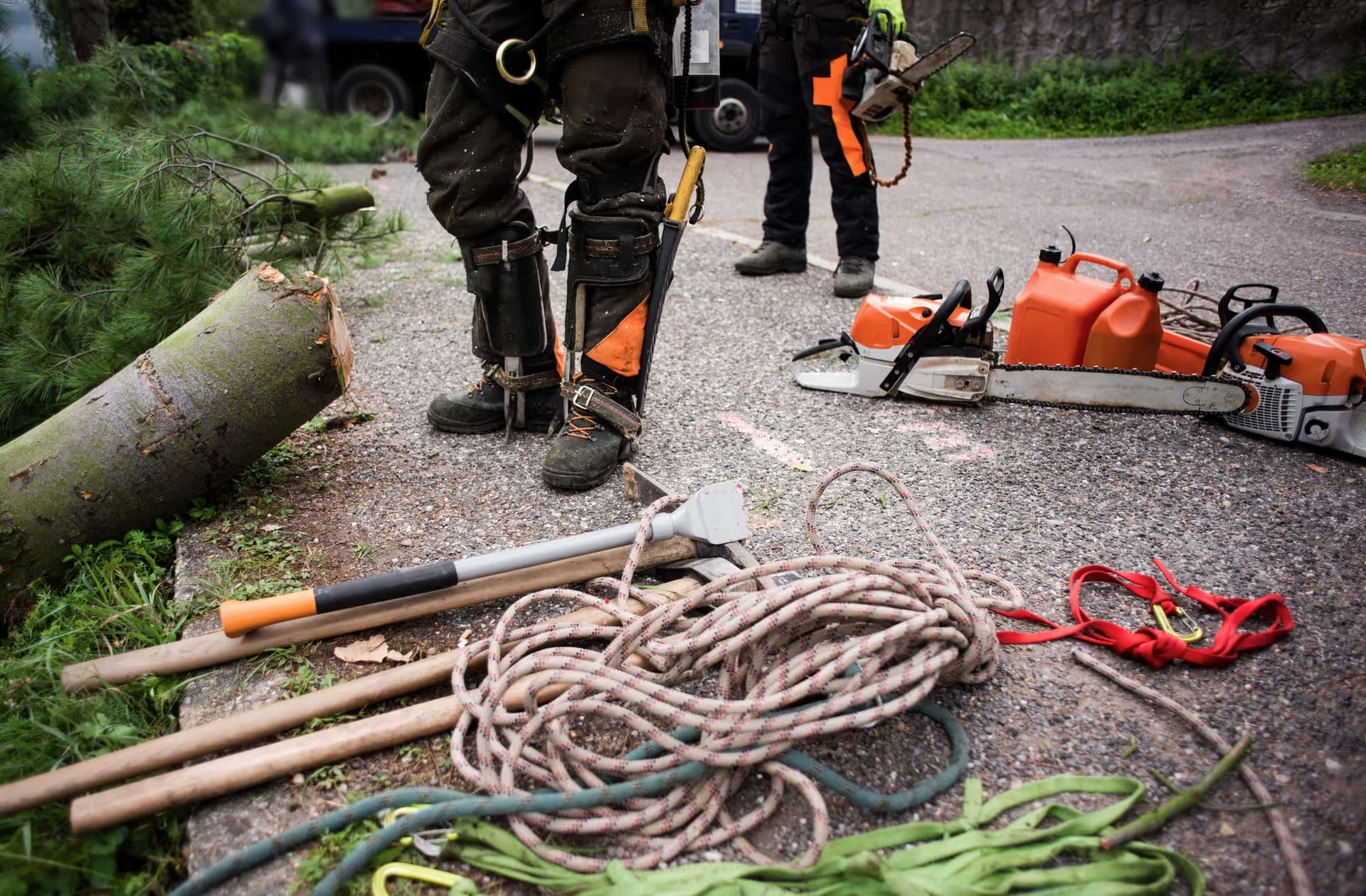
Why Choose Goodreau Tree Care?
There's a right way and a wrong way to mulch a tree. Piling mulch against the trunk, the 'mulch volcano' pattern seen constantly in residential yards, traps moisture against the bark, promotes fungal disease, encourages surface rooting, and slowly kills the tree it's supposed to help. Our arborists have been correcting bad mulching practices across Chatham-Kent and Tilbury for decades.
When Goodreau applies tree mulch, the ring is properly flared away from the trunk, extended to the appropriate radius for the tree's size, and applied at the correct depth for your property's soil drainage conditions. We're ISA-certified, fully insured, and have been providing professional tree care in Southern Ontario for over 40 years. The difference shows up in the health of the trees we maintain.
Need our help?
Get a quote


goodreautreecare@outlook.com
Your message has been sent.
Please try again, or email us directly at:
goodreautreecare@outlook.com